Forney’s Flock cameras can identify vehicles, record travel history, and alert police to vehicles on a watchlist. While law enforcement maintains this technology is vital for public safety, privacy advocates warn it creates a powerful infrastructure for monitoring citizens who have never been suspec...
Forney’s Flock cameras can identify vehicles, record travel history, and alert police to vehicles on a watchlist. While law enforcement maintains this technology is vital for public safety, privacy advocates warn it creates a powerful infrastructure for monitoring citizens who have never been suspected of a crime.
For most drivers, they are invisible. Installed discreetly along roads and intersections, these cameras watch traffic pass beneath them. As a vehicle approaches, the system snaps a photograph, reads the license plate, and instantly logs the car’s location and time. It is an endless, automated cycle of data collection.
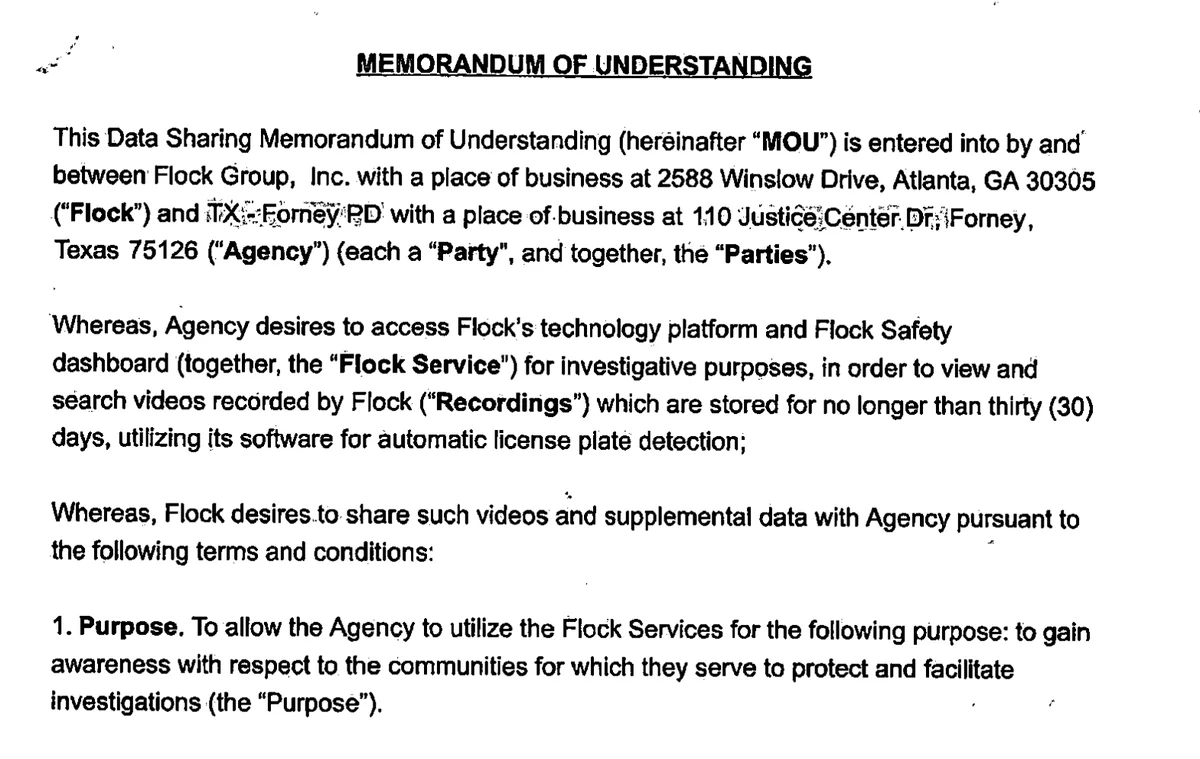
The Forney Police Department has utilized automated license plate readers (ALPRs) for several years, relying on technology provided by Flock Safety, an Atlanta-based firm. As this technology proliferates across the country, it has integrated Forney drivers into a sprawling police database—often without the explicit consent or knowledge of the citizens involved.
The Dual Nature of Surveillance
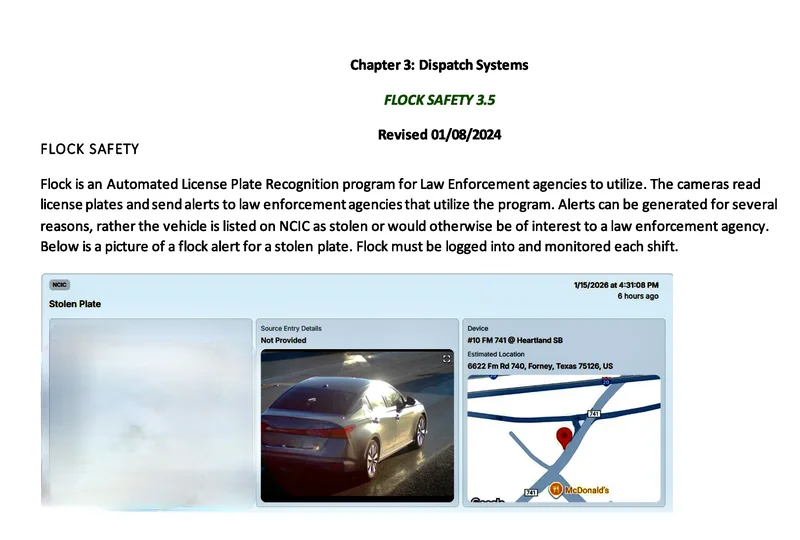
Proponents of the system emphasize its undeniable utility in solving crime. A stolen vehicle entering town can trigger an immediate alert; a kidnapping suspect can be tracked; and investigators working a burglary can search for specific vehicles spotted near a crime scene. These tools provide law enforcement with rapid, actionable evidence.
However, the technology simultaneously creates a searchable government database—controlled exclusively by the Forney Police Department—that tracks the movements of thousands of law-abiding citizens. While Flock Safety provides the hardware and software, the department retains full ownership of the data. This distinction lies at the heart of an intensifying national debate: where does legitimate police work end and mass surveillance begin?
Taxpayer Funding and System Expansion
The Forney City Council initially approved the purchase of 26 Flock cameras in February 2022. The initial $78,000 investment was funded through salary savings from vacant positions within the police and city management departments.
The program has since expanded significantly. Documents reviewed by InForney reveal that the current agreement covers 31 "Flock Falcon" license plate readers, with a total contract value of $390,100 over a five-year term. Beyond basic plate reading, the system allows for searches based on vehicle characteristics—such as make, color, and identifying features—and the ability to cross-reference data across state and nationwide networks.
Safeguards and the Risk of Misuse
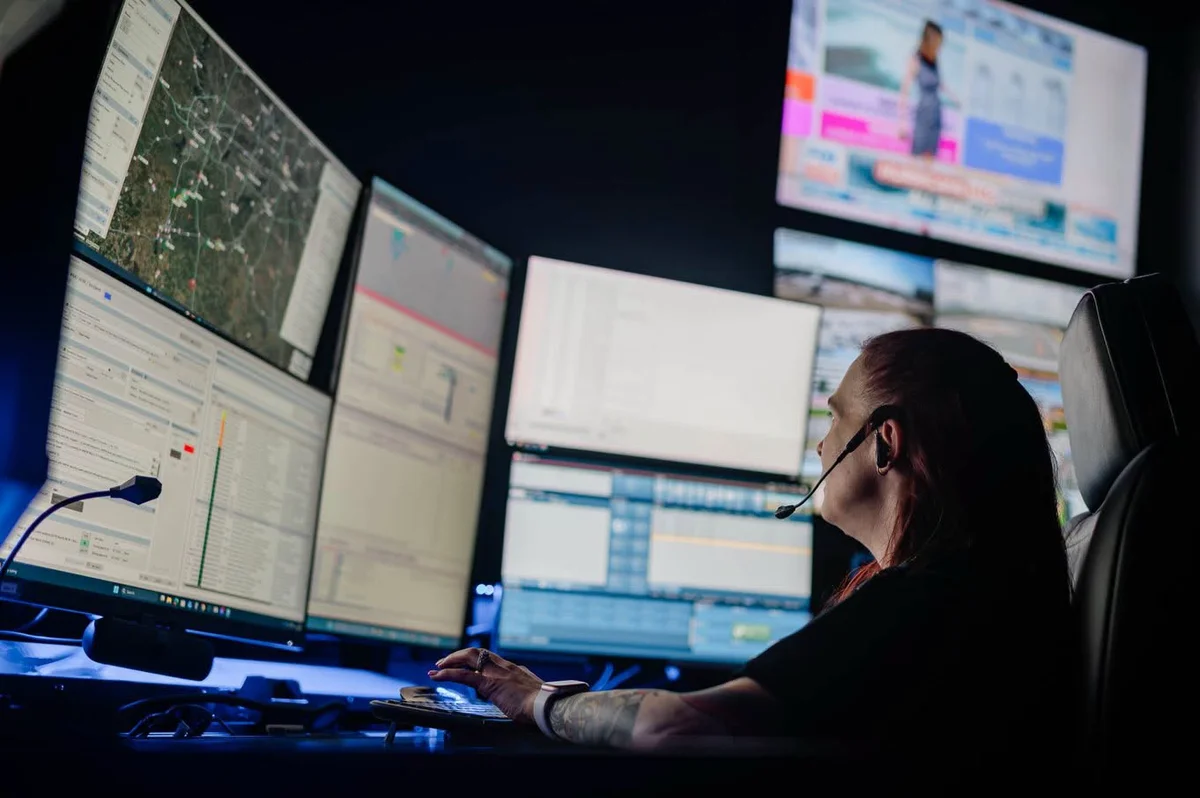
The Forney Police Department maintains strict internal policies governing data access. Their general orders stipulate that Flock data is reserved for official law enforcement purposes, and the department’s dispatch manual explicitly states: "FLOCK MAY NOT BE USED FOR PERSONAL USE OR CURIOSITY AT ANY TIME OR FOR ANY REASON."
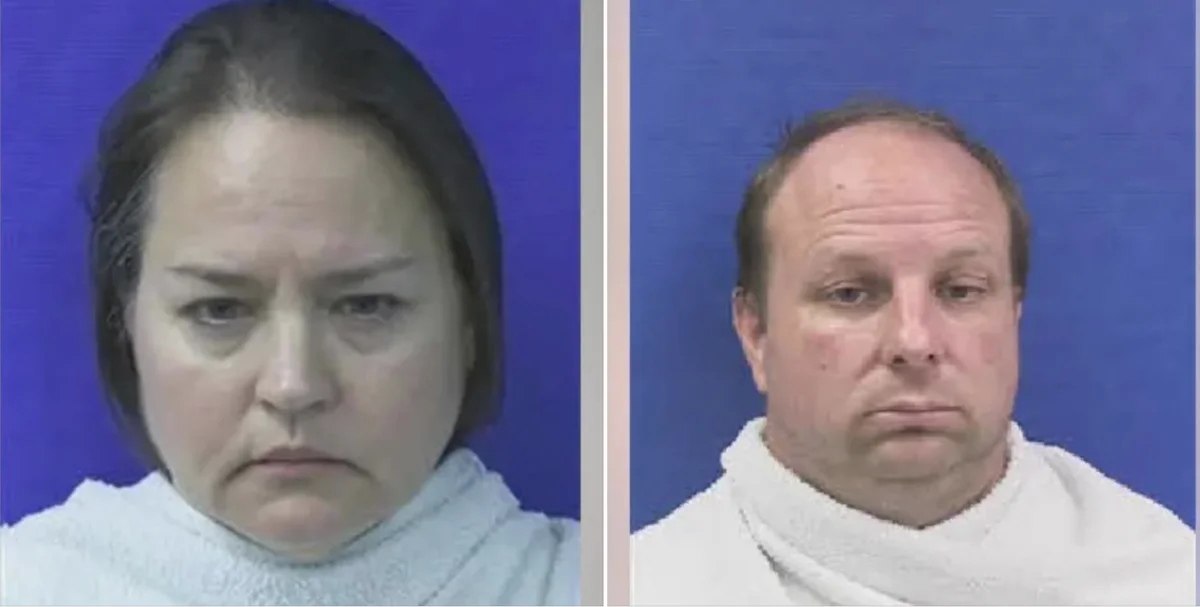
Despite these rules, the potential for human error and misconduct remains a concern. The Institute for Justice reported that, in recent years, there have been at least 14 documented instances across the U.S. where officers allegedly used ALPR systems to monitor romantic partners or individuals of personal interest. Earlier this month, a former police officer in North Carolina was arrested for allegedly using a department's Flock system to track an ex-partner.
Data Retention and Privacy Concerns
Forney Police generally delete non-evidentiary Flock data after 30 days. However, in that one-month window, the system can compile a highly intimate map of a citizen’s life—recording visits to doctors’ offices, places of worship, political meetings, and private residences.
Civil liberties organizations, including the Electronic Frontier Foundation and the ACLU, argue that this networked surveillance transforms public movement into a trackable, searchable commodity. While Flock Safety defends its product as an investigative tool, the ability to share data across jurisdictions means that a local camera system can effectively become a national dragnet.
The Legal Landscape
The constitutional implications of these systems remain a subject of active litigation. While several courts have recently ruled that the use of fixed Flock cameras does not violate the Fourth Amendment—often viewing them as an extension of "plain-view" observation—the judicial consensus is still evolving.
Notable cases include:
Schmidt v. City of Norfolk (2026): A federal court ruled that citywide Flock networks are constitutional as they capture publicly observable data rather than continuous, targeted tracking.
United States v. Porter (2026): An appellate court permitted warrantless database searches, distinguishing fixed camera snapshots from intrusive cell phone location tracking.
Chatrie v. United States (2026): The Supreme Court struck down warrantless bulk "geofence" digital sweeps, a ruling that defense attorneys are now using to challenge the scale of broad ALPR grids.
Conclusion: Who Watches the Watchers?
Forney’s policy includes vital safeguards, such as requiring case numbers for searches and restricting data retention. Yet, rules are only as effective as the oversight mechanisms in place. Transparency regarding search logs, audit frequency, and disciplinary actions for misuse will be essential as the city continues to grow.
As Forney balances the need for modern crime-fighting tools with the privacy rights of its residents, the question remains: while technology can provide the data, who will ensure that the power to track is never abused?
Supporting Documents
To ensure full transparency, all original PDFs and public records obtained for this reporting are available for readers to access and review below.