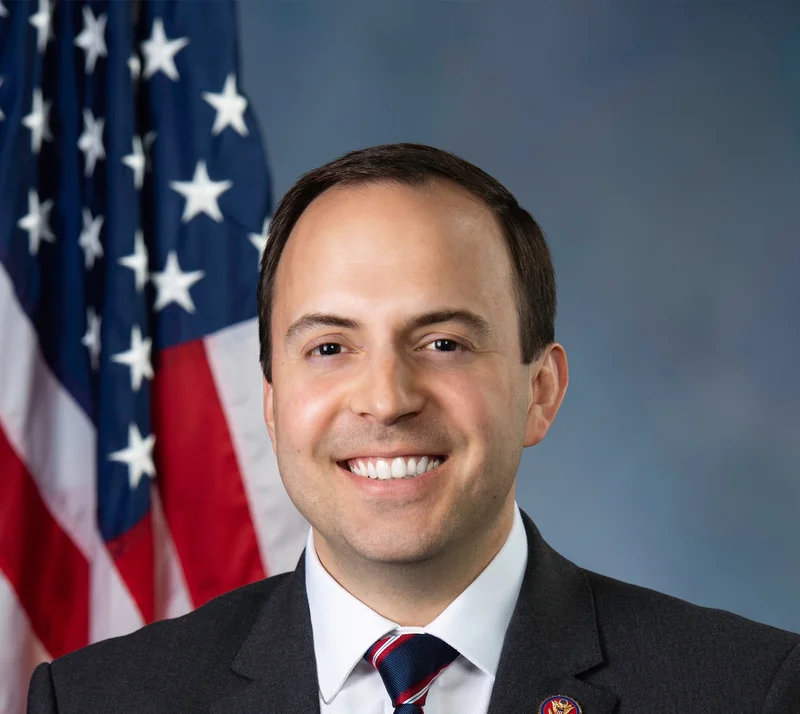
On December 23, the Twelfth Court of Appeals in Tyler issued a ruling favorable to incumbent Congressman Lance Gooden, effectively denying an emergency legal challenge that sought to place challenger Travis Edwards on the Republican primary ballot for Texas’ Fifth Congressional District. This decision ensures that Edwards will not be listed on the March 2026 Republican primary ballot, confirming Gooden as the only properly certified candidate under Texas election law.
Court's Memorandum Opinion
In its memorandum opinion, the court dismissed Edwards’ petition for a writ of mandamus, stating that Texas election law does not allow candidates to rectify deficiencies in their ballot applications after the statutory filing deadline has elapsed. This ruling maintains the current Republican primary ballot and allows Gooden to continue his campaign without further legal challenges from Edwards at the intermediate appellate level.
Background on the Challenge
Edwards submitted his application on December 1, opting to use a petition in lieu of the required $3,125 filing fee. However, the Republican Party of Texas determined that the petition did not contain a sufficient number of valid signatures. The official filing deadline for applications was December 8. Edwards contended that party officials did not inform him of the deficiencies in a timely manner, arguing that he should have been permitted to either correct the petition or pay the filing fee post-deadline.
Court's Reasoning
The court rejected these arguments, citing several provisions of the Texas Election Code that prevent candidates from amending applications or petitions after the filing deadline. The panel noted that while previous Texas cases had occasionally allowed for limited equitable relief, legislative amendments to the Election Code have since eliminated the possibility of post-deadline cures, mandating strict adherence to statutory deadlines.
Determinations by Election Officials
The opinion elaborated that election officials are empowered to initially determine if an application is facially compliant, but such a determination does not preclude a later assessment that the application fails to meet legal standards. In this case, the court found that party officials acted within their statutory rights in rejecting Edwards’ petition after confirming it lacked the necessary number of valid signatures.
Arguments and Judicial Limitations
Throughout its analysis, the court closely followed arguments presented on behalf of Gooden, underscoring that Texas election law imposes strict limits on judicial intervention once statutory deadlines have passed. The court affirmed that it lacks the authority to compel party officials to accept filings that are deemed deficient. Furthermore, the panel pointed out that Edwards failed to satisfy a procedural requirement for mandamus relief, as he did not submit a formal written demand for the specific relief sought before initiating the lawsuit, a necessary step in election-related mandamus proceedings.
Next Steps for Edwards
As of now, it remains unclear whether Edwards will pursue further review by the Texas Supreme Court. Following the denial of mandamus relief, the appellate court declared all remaining motions moot, effectively concluding the case at the intermediate appellate level. Congressman Gooden was represented by Guest & Gray Law Firm.