A new directive from the White House regarding federal election procedures has triggered an immediate legal challenge, setting the stage for another high-stakes courtroom battle over the balance of power between federal and state governments.On March 31, 2026, President Donald Trump signed an execut...
New Executive Order Targets Voter Citizenship Verification; Legal Challenge Filed
A new directive from the White House regarding federal election procedures has triggered an immediate legal challenge, setting the stage for another high-stakes courtroom battle over the balance of power between federal and state governments.
The Executive Order: "Ensuring Citizenship Verification and Integrity"
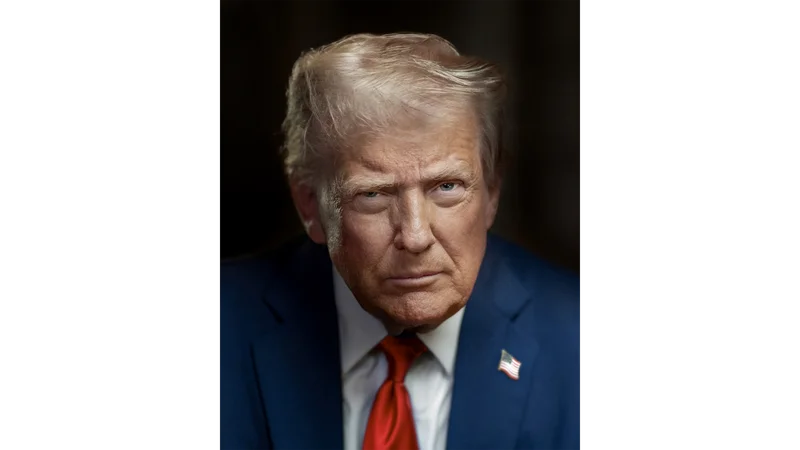
On March 31, 2026, President Donald Trump signed an executive order titled "Ensuring Citizenship Verification and Integrity in Federal Elections." The order outlines a two-pronged strategy aimed at verifying voter eligibility and standardizing the handling of mail-in and absentee ballots.
Key components of the order include:
State Citizenship Lists: The Department of Homeland Security and the Social Security Administration are directed to compile and transmit lists of confirmed U.S. citizens to state election officials at least 60 days before federal elections. The goal is to provide states with data to assist in verifying voter eligibility.
Mail-In Ballot Procedures: The order directs the U.S. Postal Service (USPS) to initiate a rulemaking process to establish uniform standards for mail-in ballots. This includes requiring ballots to be sent in envelopes marked as "Official Election Mail," featuring unique Intelligent Mail barcodes for tracking purposes.
Enforcement: The Department of Justice is instructed to prioritize the investigation and prosecution of officials or entities involved in the distribution of ballots to individuals deemed ineligible to vote. The order also cites the potential for withholding federal funds from states or localities found to be in noncompliance with federal election laws.
The administration maintains that these measures are necessary to uphold the constitutional requirement that only U.S. citizens vote in federal elections and to increase public confidence in the integrity of the mail-in ballot process.
Legal Challenge Filed by Democratic Committees
Within 24 hours of the order's release, a coalition of Democratic political organizations—including the Democratic National Committee, the Democratic Senatorial Campaign Committee, and the Democratic Congressional Campaign Committee—filed a lawsuit in federal court challenging the directive.
The plaintiffs argue that the executive order exceeds the President’s constitutional authority, asserting that the regulation of elections is a power primarily reserved for the states. The lawsuit contends that the order represents an attempt to bypass Congress, which recently declined to pass the "SAVE America Act," a legislative proposal with similar goals.
Primary arguments from the lawsuit include:
Constitutional Overreach: The plaintiffs argue that the President lacks the authority to mandate changes to state-run election procedures and that the order infringes upon the constitutional division of power.
Privacy Concerns: The lawsuit alleges that the creation and dissemination of "State Citizenship Lists" violates the Privacy Act of 1974, citing potential risks regarding the accuracy and misuse of federal records.
Disenfranchisement: The plaintiffs claim that the new requirements for mail-in ballots will create unnecessary obstacles for eligible voters, effectively threatening to disenfranchise citizens who rely on mail-in services to cast their votes.
What This Means for Residents
For voters in Forney and across the country, this legal dispute highlights a growing national debate over how federal, state, and local governments manage election security. As the case moves through the court system, the immediate impact on upcoming election cycles remains uncertain.
Because the executive order is currently being challenged in court, its implementation may be subject to a stay or temporary injunction while judges review the legal merits of the claims. Residents are encouraged to continue following their local election office guidelines for registration and voting, as state-level procedures remain the primary authority for election administration until otherwise directed by the judiciary.
inForney.com will continue to monitor this litigation and provide updates on any rulings that impact federal and local election processes.